

Herringbone flooring patterns have surged back into the spotlight as a premium option for adding style, value, and visual impact to modern homes. If you’re considering updating your floors, understanding the real benefits, pitfalls, and updated best practices for herringbone flooring patterns will set your project up for success.
Key Takeaways
- Herringbone flooring patterns are in high demand for 2024 and can significantly boost a home’s appeal and resale value.
- Installation requires advanced skills and planning, with higher costs and risks for DIY compared to straight-lay floors.
- Material selection, subfloor prep, and ongoing maintenance are critical for lasting beauty and durability.
- What Are Herringbone Flooring Patterns and Why Choose Them?
- Step-by-Step Guide to Achieving the Perfect Herringbone Floor
- Advanced Analysis & Common Pitfalls with Herringbone Floor Installations
- Conclusion
- FAQ: Herringbone Flooring Patterns
What Are Herringbone Flooring Patterns and Why Choose Them?
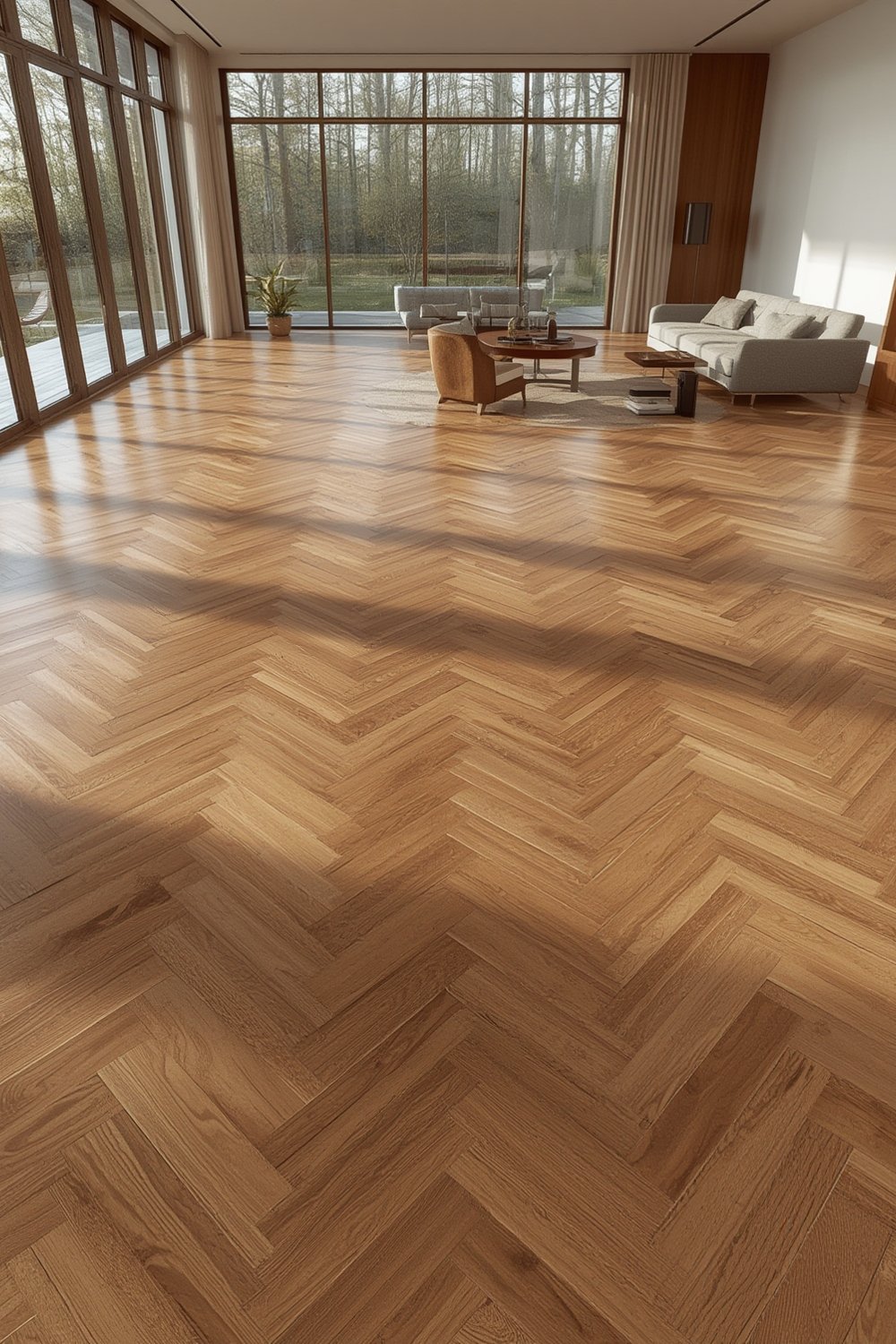
Herringbone flooring is a distinctive, V-shaped design where rectangular planks are laid in a staggered zigzag pattern across the floor. Rooted in European tradition and Roman engineering, herringbone flooring patterns offer both timeless elegance and notable strength. Their visual appeal turns ordinary rooms into statement spaces, fitting perfectly with both classic and contemporary interiors.
The recent surge in popularity is not just talk—industry sources project an explosion in demand for herringbone patterns in 2024, propelled by design influencers and social media coverage (source). Real estate professionals report that wood floors typically fetch higher sales prices, and herringbone further amplifies this effect by adding a “wow factor” that attracts buyers (source).
Herringbone patterns are now available in a wide range of materials, from traditional solid hardwood and engineered wood to luxury vinyl planks. Contemporary takes include oversized planks, gray-washed tones, and even herringbone wall panels. The trend’s adaptability means you can use it to make a large room impressive, create movement in a hallway, or highlight a feature area like an entryway.
Step-by-Step Guide to Achieving the Perfect Herringbone Floor
Creating a flawless herringbone floor requires more prep and skill than most flooring patterns—but the result is worth it. Here’s a practical, step-by-step roadmap for homeowners.
-
Subfloor Preparation
- Ensure subfloors are level, dry, and structurally sound. Moisture content should match flooring manufacturer’s tolerances.
- Install a quality underlayment and moisture barrier, especially over concrete or crawlspaces.
- Mark a precise centerline and square reference line as your initial layout guide to avoid “creeping” patterns that drift off-square.
-
Layout Planning
- Calculate waste: herringbone typically results in 12-20% more waste than straight-lay. Account for this when ordering materials.
- Test-fit a dry layout, focusing on how the pattern will terminate at walls and doors.
- Choose plank size wisely—wider planks create a bolder effect but increase waste; narrower planks increase pattern complexity.
-
Installation
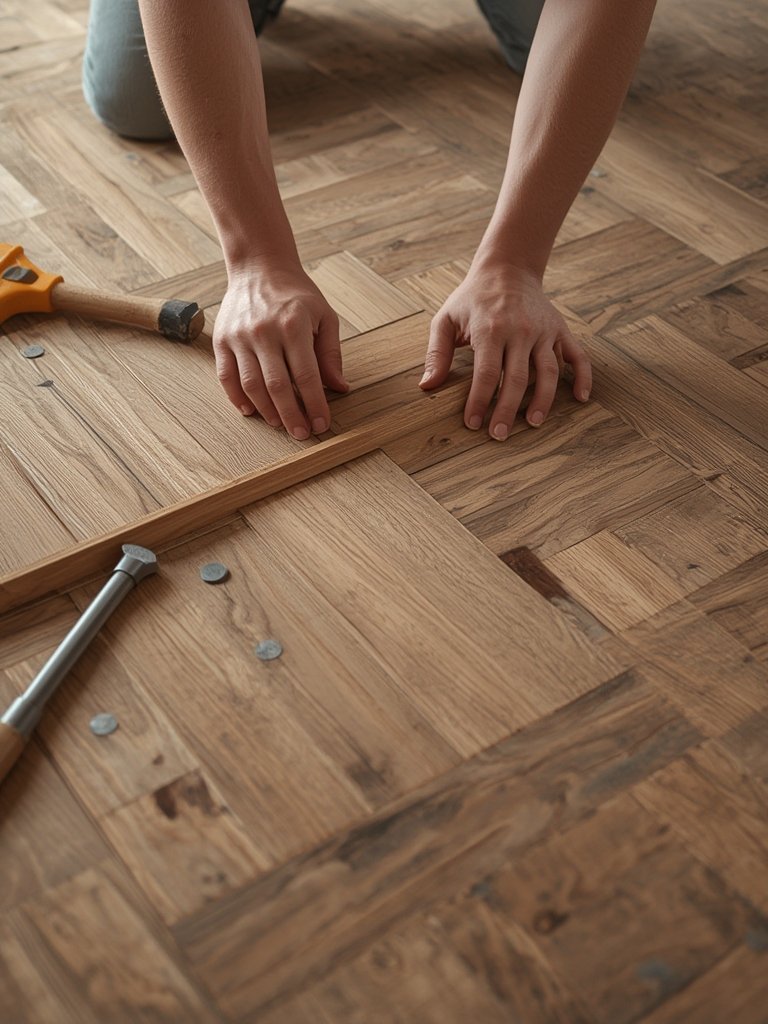
- Professional installers use proprietary jigs or spacers to keep angles precise. If DIY, use a speed square and check frequently for alignment.
- Glue-down is most common, but nail-down methods apply with the right materials. Always follow manufacturer advice for adhesives and fasteners.
- Stagger rows and watch for pattern shifts every 3–4 planks. Periodically step back to spot misalignments early.
-
Finishing
- Sand (if needed), fill any gaps snugly, and apply floor finish according to product instruction. Sealing protects against moisture and wear.
- Don’t move rugs or furniture onto new floors until finishes have cured per manufacturer instructions.
For those seeking more project pointers, check out our guide to easy DIY wood and home projects or our Ultimate Guide to Home Renovation Contractors, Loans, and Costs.
Finally, herringbone isn’t limited to hardwood—engineered wood, luxury vinyl, and even porcelain tiles now come in herringbone configurations. This widens design choices and price points, making the look accessible with less risk for beginner installers (source).
Advanced Analysis & Common Pitfalls with Herringbone Floor Installations
Despite their stunning effect, herringbone flooring patterns are not without challenges. Here’s what most installers and many homeowners wish they knew before getting started.
| Issue | Description | Mitigation |
|---|---|---|
| High Installation Complexity | More angles and detail = greater risk for measurement or alignment errors. | Use pro installers or order pre-cut kits; double check layout frequently. |
| Cost Overruns | Higher labor and 12%–20% more material waste than straight patterns. | Plan extra budget; choose materials wisely; compare home upgrades for ROI value. |
| Room Size Limitations | Pattern can overpower small, narrow, or irregularly shaped rooms. | Consider herringbone for large or open layouts, or as a feature area only. |
| Wood Movement & Expansion | Diagonal patterns amplify wood swelling/gap issues if improperly acclimated. | Acclimate planks appropriately; leave expansion gaps; control seasonal humidity. |
| Maintenance | Diagonal seams can catch dust or debris; refinishing is more involved. | Maintain a strict home maintenance routine; use quality vacuums and finishes. |
Herringbone is not only visually striking and historically durable—Romans used “Opus spicatum” for strength (source)—but also harder wearing than many basic parquet styles (source). Yet, sources rarely discuss essential issues like plank width ratios, subfloor moisture, and pattern visibility under various lighting—critical aspects if you want a long-lasting and beautiful result.
Long-term, it’s vital to invest in the proper home maintenance services and finish touch-ups to prevent pattern drift and preserve finish integrity, as refinishing herringbone can require specialized sanding due to its multi-directional grain.
Conclusion
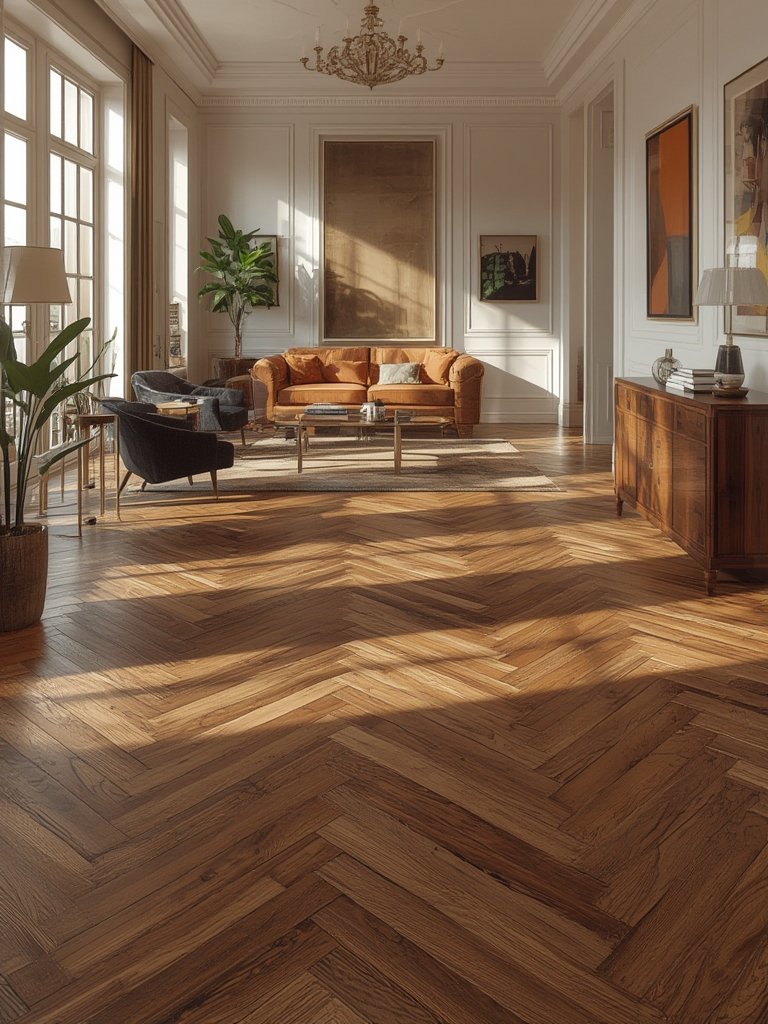
Herringbone flooring patterns offer unmatched elegance and can elevate property value—if you approach the project with realistic expectations. They’re harder and costlier to install, more demanding to clean, and require ongoing care—yet the payoff is a uniquely luxurious look that enhances any space.
For a successful result, plan carefully, control costs, and consider hiring skilled professionals. If you’re inspired to upgrade, explore our top home upgrades guide or dive into easy DIY home projects for more actionable ideas. Want a truly standout look? Incorporate herringbone flooring patterns into your next remodel—and transform your home’s style and value.
Ready to get started? Compare renovation options and get help from proven remodeling contractors today!
FAQ: Herringbone Flooring Patterns
Is herringbone flooring more expensive than regular wood floors?
Yes, herringbone typically costs more to install due to increased material waste and extra labor, as the diagonal patterns require precise cuts and placement. It’s wise to plan for 12–20% more material and higher installation fees compared to standard layouts.
Can I install herringbone flooring patterns myself?
DIY installation is possible—especially with pre-cut kits—but it’s challenging and error-prone for beginners. Most experts recommend hiring a professional installer for complex herringbone patterns, especially with high-value materials like solid hardwood.
What flooring materials are available in herringbone patterns?
You can find herringbone layouts in solid wood, engineered wood, luxury vinyl planks, and even herringbone-patterned tile. Engineered wood and luxury vinyl are great for DIYers and moisture-prone spaces.
How do I maintain herringbone flooring?
Keep the floor swept and free of debris, clean with appropriate hardwood or vinyl cleaners, and periodically check seams and finish for wear. Diagonal patterns may trap dust in corners, so a quality vacuum attachment is helpful.
Where should I avoid using herringbone flooring patterns?
Avoid very small, narrow, or oddly shaped rooms where the pattern could overwhelm the space or lead to excessive waste. Instead, use herringbone in open or larger rooms that can showcase its visual rhythm.