

Key Takeaways
- Eco-friendly home materials improve indoor air quality and add long-term value, but come with higher upfront costs and limited regional availability.
- Certifications like LEED, BREEAM, and FSC are essential for trust and verification—never skip checking authenticity.
- Success relies on balancing environmental benefits, technical performance, and realistic budget constraints.
- Eco-Friendly Home Materials: What, Why, and the Benefits
- How to Source and Use Eco-Friendly Home Materials: Step-by-Step Guide
- Advanced Analysis & Biggest Pitfalls with Eco-Friendly Materials
- Conclusion
- FAQ
Eco-Friendly Home Materials: What, Why, and the Benefits
Eco-friendly home materials refer to renovation and construction resources that aim to minimize environmental impact, improve energy efficiency, and reduce harmful emissions. Examples include low-VOC paints, reclaimed or FSC wood, bamboo and cork flooring, bio-based insulation, and innovative concretes like hempcrete.
The demand for eco-friendly home materials is skyrocketing, with the global green building materials market reaching USD 337.2 billion in 2024 and projected to climb to USD 370.1 billion in 2025 (Straits Research). North America leads adoption due to stricter building codes and government tax credits, while Europe follows closely with the European Green Deal and similar incentives (Coherent Market Insights). Homeowners are not just chasing trends; they want healthier living spaces, energy cost savings, and to reduce their environmental footprint.

Unlike conventional choices, eco-friendly materials cut down on offgassing, promote better indoor air quality, and—if sourced and installed correctly—can yield longer-lasting results with lower environmental costs. From energy efficient upgrades to non-toxic finishes, the benefits go far beyond aesthetics.
How to Source and Use Eco-Friendly Home Materials: Step-by-Step Guide
- Set clear priorities and budget. Decide which areas—like flooring, insulation, or paints—offer the greatest impact for your family’s health or utility costs. Prepare for higher upfront investments.
- Research locally available eco-materials. Start with certified options such as FSC wood, low-VOC paints, or bamboo flooring. Use trusted suppliers and check certifications like LEED, BREEAM, ENERGY STAR, and FSC.
- Compare performance, not just marketing. Evaluate options for durability, required maintenance, and indoor air quality. For example, bio-based insulation can outperform traditional insulation by reducing indoor emissions (Straits Research).
- Vet for government incentives and rebates. Search for local or national programs—such as tax credits in North America or renovation grants in Europe—before you buy ($).
- Select reputable installers or go DIY—if you have the skills. Confirm the contractor’s eco-materials experience or consult DIY guides (easy DIY home projects) for smaller-scale upgrades like non-toxic finishes or sustainable paneling.
- Request documentation and keep records. Save all receipts and certification copies for warranty, resale proof, or eligibility for government rebates (home maintenance checklist).
- Manage transportation and installation with sustainability in mind. Opt for bulk or consolidated shipments, and coordinate efficient project timelines to avoid material wastage.
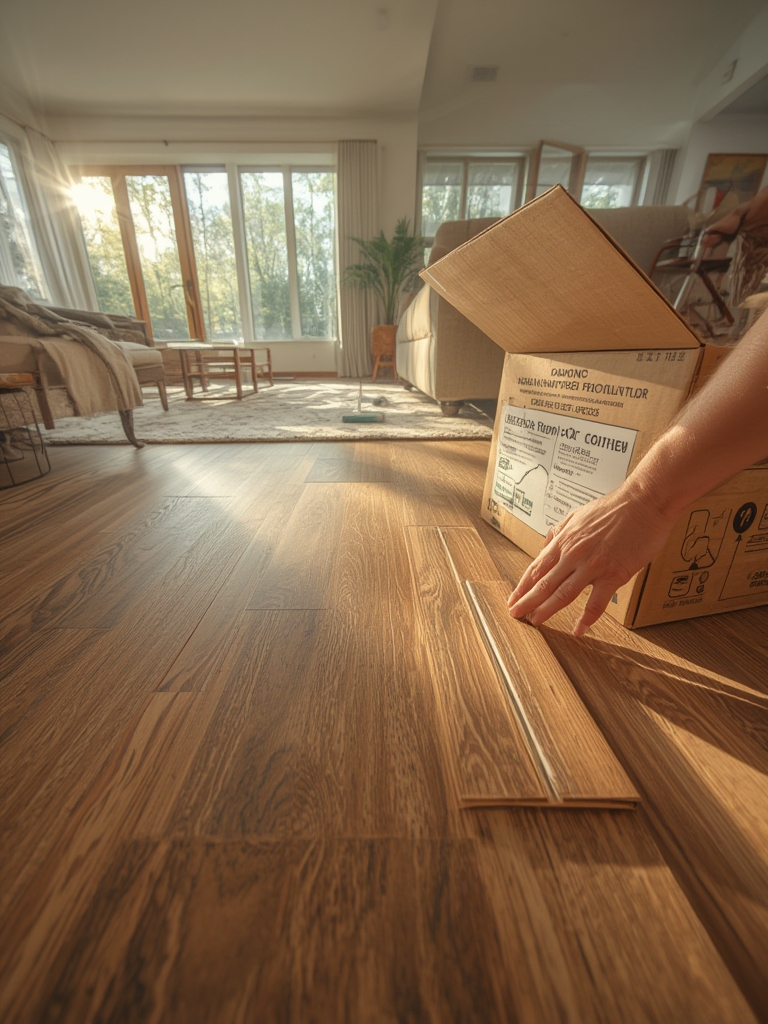
- For surfaces like walls, choose low-VOC or zero-VOC paints to drastically cut offgassing.
- On floors, certified bamboo or cork can dramatically boost both aesthetics and thermal efficiency without harmful finishes.
- When working with contractors, ensure they follow strict disposal and recycling protocols for old building materials, and ask for proof of safe and ethical construction practices (home renovation guide).
- Inspect final results using air quality sensors and energy consumption monitors over the first few months to validate real-life improvements.
Advanced Analysis & Biggest Pitfalls with Eco-Friendly Materials
Despite significant market growth and the obvious health and environmental perks, implementing eco-friendly home materials is rarely hassle-free. Here are the most common and realistic issues homeowners encounter during sourcing and installation:
- High upfront cost: Green options like cork flooring or low-VOC paints remain pricier than their standard equivalents, limiting mass adoption (Arizton).
- Limited local supply and awareness: Reclaimed wood, bio-based insulation, and cork flooring can be difficult to find outside North America or Europe, leading to higher shipping costs and questions about true sustainability.
- No direct evidence of performance edge in some areas: For materials like bamboo or cork, research shows little documented difference in longevity or maintenance compared to traditional alternatives. Marketing sometimes outpaces fact.
- Complex certification and supply chains: Not all “eco-friendly” products are truly sustainable; only recognized certifications (LEED, BREEAM, FSC) offer reliable trust.
- Regional regulations and incentives are inconsistent: You might have access to rebates or tax credits—but these can change yearly or by location, adding uncertainties for long-term planning.
| Material | Eco-Friendly Variant | Traditional Variant | Performance/Durability | Indoor Air Quality Impact |
|---|---|---|---|---|
| Wall Paint | Low-VOC or Zero-VOC | Acrylic/Latex w/ VOCs | Comparable; sometimes higher cost, less odor | Significantly improved |
| Flooring | Bamboo, Cork, FSC/Reclaimed Wood | Laminate, Carpet, Standard Wood | Similar; cork is softer, bamboo is harder, higher price | Improved |
| Insulation | Bio-based (hemp, cellulose) | Fiberglass, foam, mineral wool | Bio-based can outperform; less risk of offgassing | Vastly improved |
| Concrete | PozzoSlag, Hempcrete | Traditional cement | Equivalent or superior in strength and flexibility | Neutral |
If you’re tackling a full overhaul—like upgrading insulation or flooring as seen in residential maintenance—stage improvements for affordability and logistics.
Certifications must match your region. For North America, prioritize LEED and ENERGY STAR. For Europe, seek BREEAM and local eco-labels. Always verify claims via the supplier’s documentation.
Regional differences—incentives, supply, costs—make research essential for each project phase. Lean on reliable guides for energy efficient upgrades and stay updated on policy shifts so your investment is protected.

Conclusion
Eco-friendly home materials are more than a trend—they’re becoming the new standard for healthy, resilient homes and sustainable living. While adoption is led by financial incentives and strong certifications, you must weigh clear benefits against cost, availability, and complex supply chains. Do your research, use documented certifications, and work with knowledgeable pros or reputable DIY resources to get the most from your eco-upgrade. Ready to make a smart, healthy change? Start sourcing eco-friendly home materials today and future-proof your home. For more renovation guidance, check out our home renovation guide or DIY resources for easy beginner projects.
FAQ
Are eco-friendly home materials worth the higher upfront costs?
Generally, yes—eco-friendly options often provide better long-term savings on energy and maintenance, and improve indoor air. Still, weigh up the specific product data, regional rebates, and performance outcomes before choosing.
Which certification is most important for eco-materials?
LEED, BREEAM, ENERGY STAR, and FSC are the top certifications to verify when sourcing materials. The most important one depends on where you live and what product you are buying.
Can I combine eco-friendly and traditional materials in one renovation?
Yes. Many renovations mix both for budget or supply reasons. Focus on swapping the most impactful areas—like insulation, paints, or flooring—first and upgrade other zones over time.
Do eco-friendly materials last as long as traditional options?
Many do—especially bamboo, reclaimed wood, or hempcrete concrete, which can equal or surpass traditional durability. Just ensure proper installation and certification to avoid subpar performance.
How can I find reliable contractors for sustainable renovations?
Look for professionals with eco-certification experience and positive reviews. Ask for proof of prior green projects, and use our home maintenance services guide for tips on hiring experts.