

Acoustic paneling for home office has surged in popularity as remote work becomes the norm and distractions at home threaten productivity. Whether you’re patching up a spare bedroom or fitting out a dedicated workspace, understanding acoustic treatment options can dramatically improve your comfort and focus.
Key Takeaways
- Global acoustic panel installations topped 412 million square meters in 2024, with home applications rising fastest due to increased remote work.
- Wall panels are the most popular solution for home offices, offering a blend of sound management and easy installation.
- Installing acoustic paneling requires thoughtful planning to maximize effectiveness and avoid common pitfalls.
- What Is Acoustic Paneling for Home Office and Why Does It Matter?
- Step-by-Step Guide to Installing Acoustic Panels in Your Home Office
- Advanced Analysis & Common Pitfalls of Acoustic Paneling Installation
- Conclusion
- FAQ
What Is Acoustic Paneling for Home Office and Why Does It Matter?
Acoustic paneling for home office refers to purpose-designed panels installed on walls or ceilings to absorb sound, control echo, and create a peaceful workspace. In 2024, the global demand for acoustic paneling reached unprecedented levels, with over 412 million square meters installed worldwide. The surge in remote work, especially in urban settings where noise pollution is significant, has driven more homeowners to consider these panels for their home offices. [source]
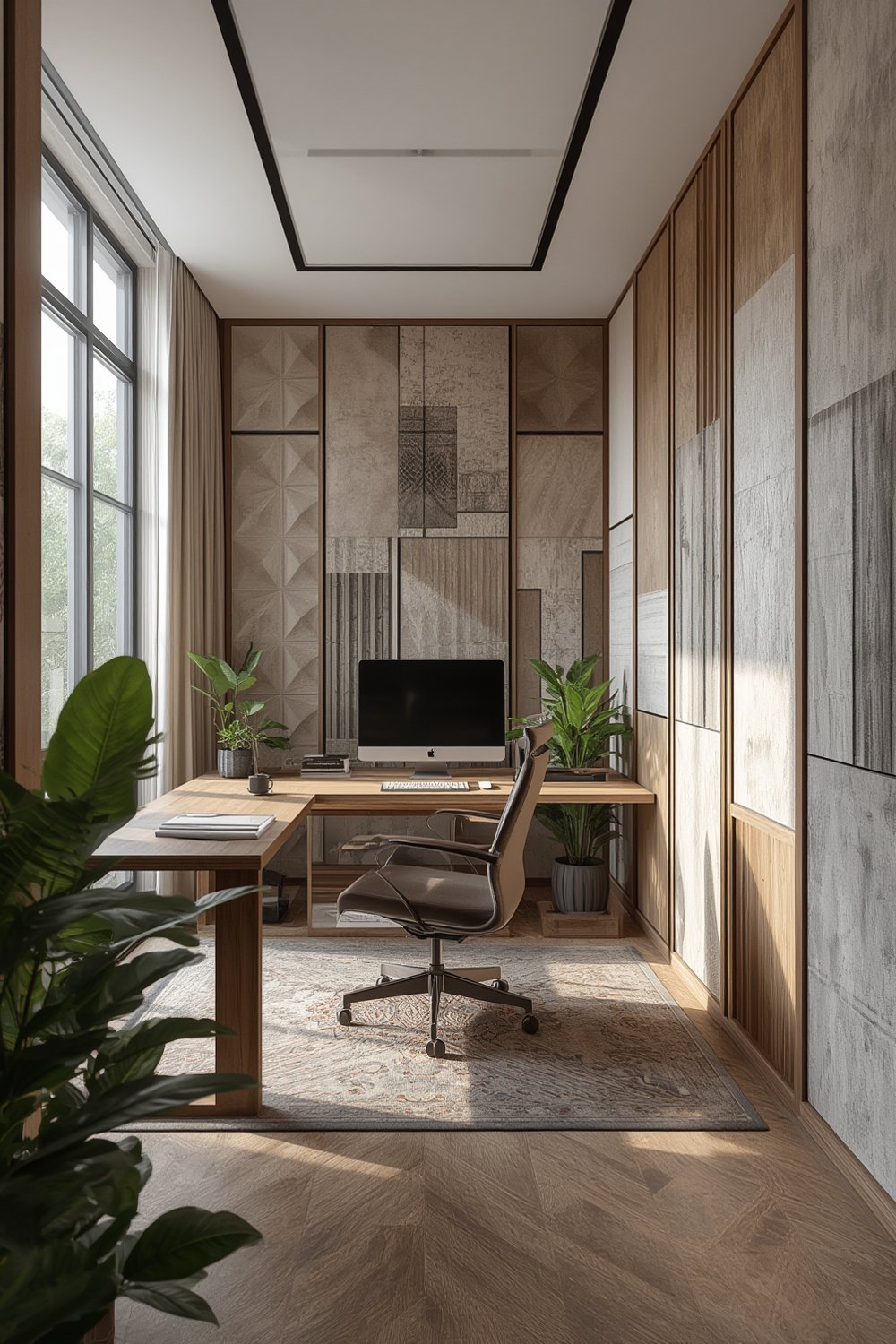
Why does this matter for remote work? Noise distractions—like traffic, neighbors, or family—can seriously impact your focus and work quality. Acoustic paneling absorbs disruptive sounds and reduces echo, making meetings clearer, calls crisper, and concentration easier. Home office upgrades that incorporate acoustic treatments are especially valued in North America, which claimed 40% of the global revenue share for architectural acoustic panels in 2024.[source]
With more than 11% of all acoustic panel installations now happening in residential settings—and this sector growing rapidly—it’s a solution worth considering for anyone serious about productive, healthy home-based work. For those remodeling their workspace, it also adds a modern look and supports professional video call environments.
If you’re considering a broader suite of upgrades, you may also want to read our guide on top home upgrades to boost comfort, value, and efficiency for a complete approach to home improvement.
Step-by-Step Guide to Installing Acoustic Panels in Your Home Office
Installing acoustic paneling for a home office is straightforward for most DIYers, but a professional touch may be preferred for large or custom layouts. Here’s how to approach it:
- Assess Your Noise Issues: Identify the main sources of unwanted sound. Is it outside traffic, inside conversation, or echo?
Consider both airborne noise (voices, music) and impact noise (footsteps, drawers). Understanding your main noise problems helps you choose the right style and location for panels. - Choose Panel Type and Location: Wall panels are easiest to install and most effective for most home offices, accounting for 47% of all installations worldwide.[source] Position them at first-reflection points (where sound bounces off hard surfaces) or on walls facing noise sources.
- Select Materials: Common options include foam, fiberglass, mineral wool, and decorative slatted wood. Each offers different looks and absorption rates. Just note that industry data stresses popularity over performance—real world decibel reduction figures are rarely published for home office scenarios.
- Mount with Care: Use the right hardware for your wall type (drywall anchors, strong adhesives, or screws for concrete). Avoid damaging wires, pipes, or wall finishes. Lightweight panels usually need little more than simple adhesive strips, while heavier ones will require anchors or brackets.
- Plan Coverage: For typical home offices, covering 20-40% of your wall and/or ceiling area reduces echo without making the room sound “dead.” Consider starting small and expanding coverage until your room sounds balanced.
- Test and Adjust: After mounting, test your space with a phone call or video meeting. If the acoustic improvement isn’t enough, incrementally add more panels—sometimes moving a panel a few feet makes a noticeable difference.
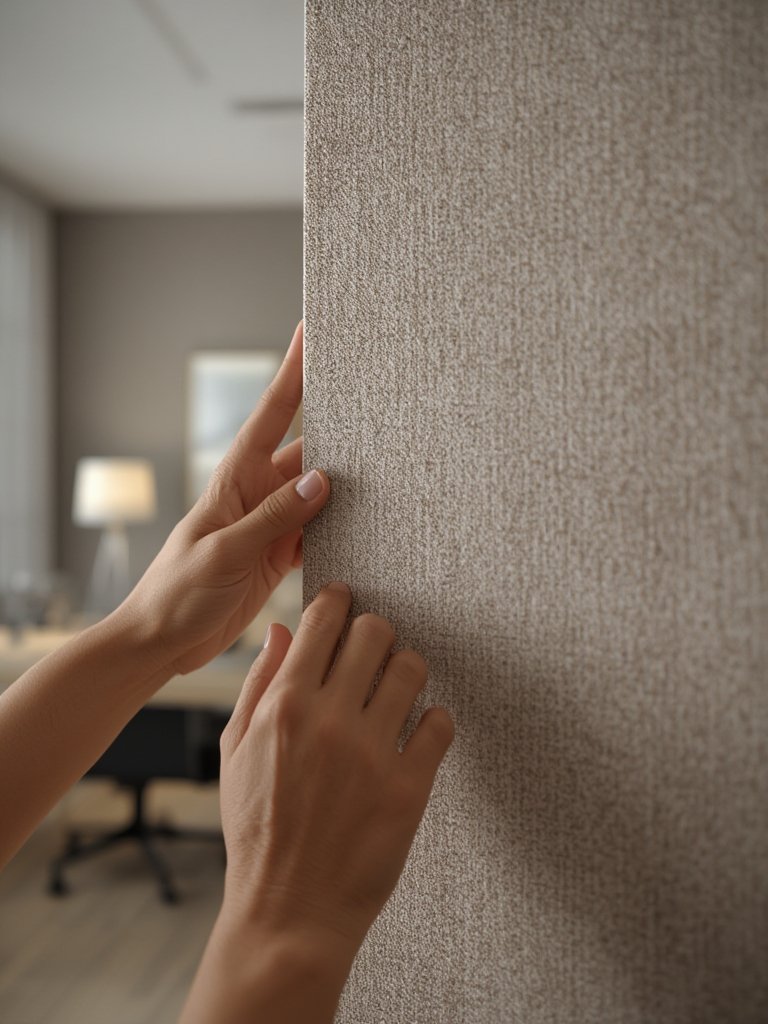
If you’re handy and like simple woodworking projects, adding DIY slatted wood panels can double as both a sound solution and a visual statement. See our DIY wood and home projects guide for inspiration.
For broader remodels or when integrating paneling into a larger renovation, getting advice from a licensed home renovation contractor can avoid costly mistakes.
Advanced Analysis & Common Pitfalls of Acoustic Paneling Installation
Not all acoustic panel installations go smoothly. Based on the latest market research and real-world experience, here are key pitfalls and issues to watch for:
- Hardware Mismatch: Using improper mounting hardware can lead to panels falling off, wall damage, or rattling during sound events.
- Insufficient Coverage: Installing too few panels or in the wrong spots leads to minimal improvement—focus on first-reflection points.
- Ignoring Room Layout: Placing panels behind bookshelves or bulky furniture reduces their effectiveness.
- Lack of Performance Data: Most manufacturers don’t provide credible, real-world decibel reduction for home offices—expect broad estimates.
- Aesthetic Issues: Some users dislike the industrial or utilitarian look of many budget panels; slatted wood options are trendier but usually costlier.
- Unknown Cost Variables: 2024 market research failed to yield a reliable average price breakdown for DIY vs. professional installation or by material type. Always get a detailed quote, especially for custom wood panels.
- Unclear Effectiveness for Impact Noise: Panels primarily address airborne sound. Footsteps or structural vibrations often require additional measures.
- No Verified Before-After Measurements: It’s rare to find documented, home office-specific decibel reduction data outside lab conditions.
| Panel Type | Visual Appeal | Estimated Effectiveness | Best For |
|---|---|---|---|
| Foam Panels | Basic/Industrial | Good for echo, less effective on low frequencies | Entry-level budgets, temporary solutions |
| Fiberglass/Mineral Wool Panels | Can be fabric-wrapped for style | Very effective, especially for mid-high frequencies | Permanent/long-term home offices |
| Slatted Wood Panels | Trendy, decorative | Est. moderate (no lab data), more for aesthetics | Design-focused projects |
| Metal or Plastic Panels | Modern, sleek, often used in commercial | Variable—depends on core material | Non-traditional uses or high-durability needs |
Be realistic—acoustic paneling improves your work environment, but if you want measurable, guaranteed sound reduction, request independent performance data or perform your own before-and-after noise tests with a phone app.
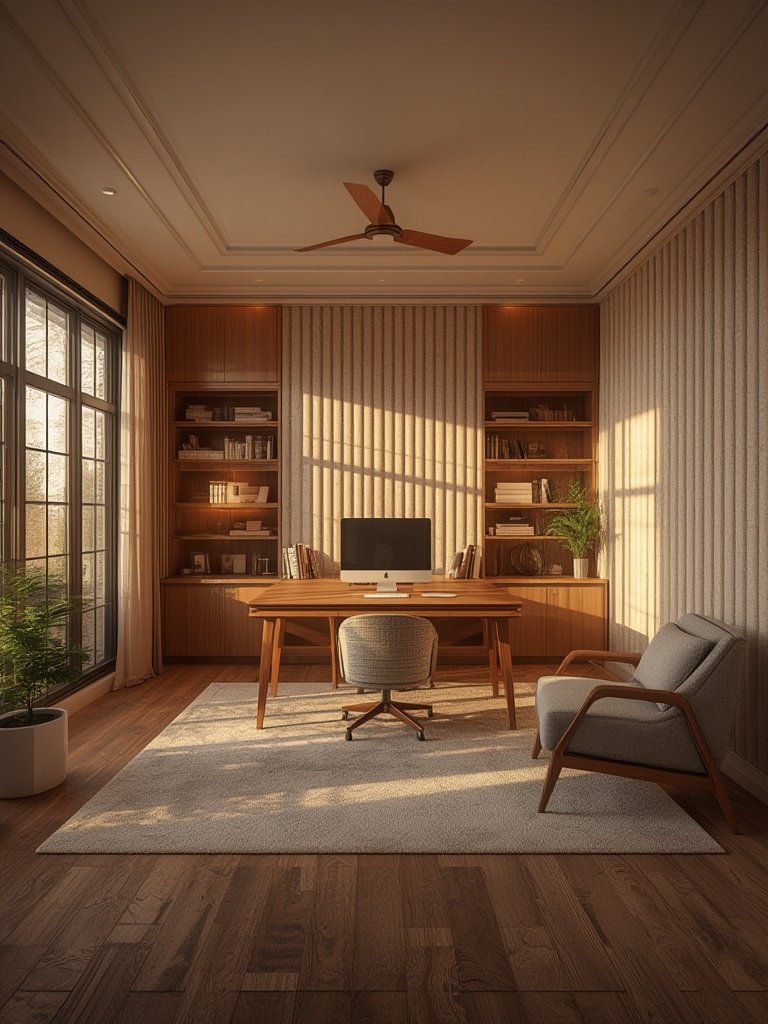
For those seeking assurance and coverage for their investment, check out our ultimate guide to home maintenance services and insurance to protect your upgrades. If you’re new to at-home projects or want to shop for supplies, our resource on DIY with Home Depot can be helpful.
Conclusion
Acoustic paneling for home office is an intelligent investment for anyone seeking focus, privacy, and a more professional WFH setup in 2024. While exact performance data or cost breakdowns for residential and DIY installs may be elusive, planning your project with the right materials, placement, and expectations helps avoid surprises. Ready to transform your workspace? Start planning your acoustic paneling for home office upgrade today and enjoy less noise and more comfort.
FAQ
How much of my home office walls should I cover with acoustic panels?
For most home offices, covering 20% to 40% of wall and/or ceiling area is sufficient to control echo and noise. Start with panels at main reflection points and adjust as needed for your specific space.
Will acoustic paneling block all outside noise?
No. Acoustic paneling absorbs sound within the room and reduces echo, but it does not fully block all outside noise. For strong soundproofing, you’ll need to address doors, windows, and floors as well.
Are slatted wood acoustic panels better than foam or fiberglass?
Not necessarily. Slatted wood panels are popular for visual appeal, but there’s no independent lab data proving superior sound absorption in home offices compared to foam or fiberglass. Choose based on your desired look and budget.
Can I install acoustic panels in a rented apartment?
Yes. Use removable adhesive strips or freestanding panels to avoid damaging walls. These solutions are renter-friendly and still provide noticeable acoustic benefits.
Do I need professional installation for acoustic panels?
Not always. Lightweight panels are DIY friendly, but heavy panels and complex layouts may require professional help, especially for safe mounting and a flawless finish. Consider your wall type and comfort level with tools before starting.