

### Blog Post:
DIY textured wall panels are quickly becoming a top choice for homeowners wanting bold, stylish walls without a contractor. Done right, these panels can transform bland rooms, add value, and let you express personal style—often in a single weekend, budget intact.
Key Takeaways
- DIY textured wall panels are gaining traction for affordability, ease of installation, and customizable design options.
- Understanding correct prep, real costs, and safety steps is essential to avoid adhesion and durability issues common in DIY wall upgrades.
- MDF panels, dry-mix drywall textures, and 3D designs are the most DIY-friendly, while Venetian plaster and wood slat walls require advanced skills.
- The Core Concept: What are DIY Textured Wall Panels & Why Choose Them?
- Step-by-Step Guide: Installing Your Own DIY Textured Wall Panels
- Advanced Analysis & Common Pitfalls: What To Watch Out For
- Conclusion: Should You Try DIY Textured Wall Panels?
- Frequently Asked Questions (FAQ)
The Core Concept: What are DIY Textured Wall Panels & Why Choose Them?
DIY textured wall panels are prefabricated or site-built panels designed to add dimension, depth, and style to blank walls. Popular options include MDF panels, 3D wall panels, and creative finishes like Venetian plaster or wood slat features.
They are trending because they make it possible to achieve magazine-worthy results on a do-it-yourself schedule, with manageable materials and tools. From modern geometric 3D wall panels to subtle textured drywall, these systems can work in living rooms, bedrooms, home offices, and more.
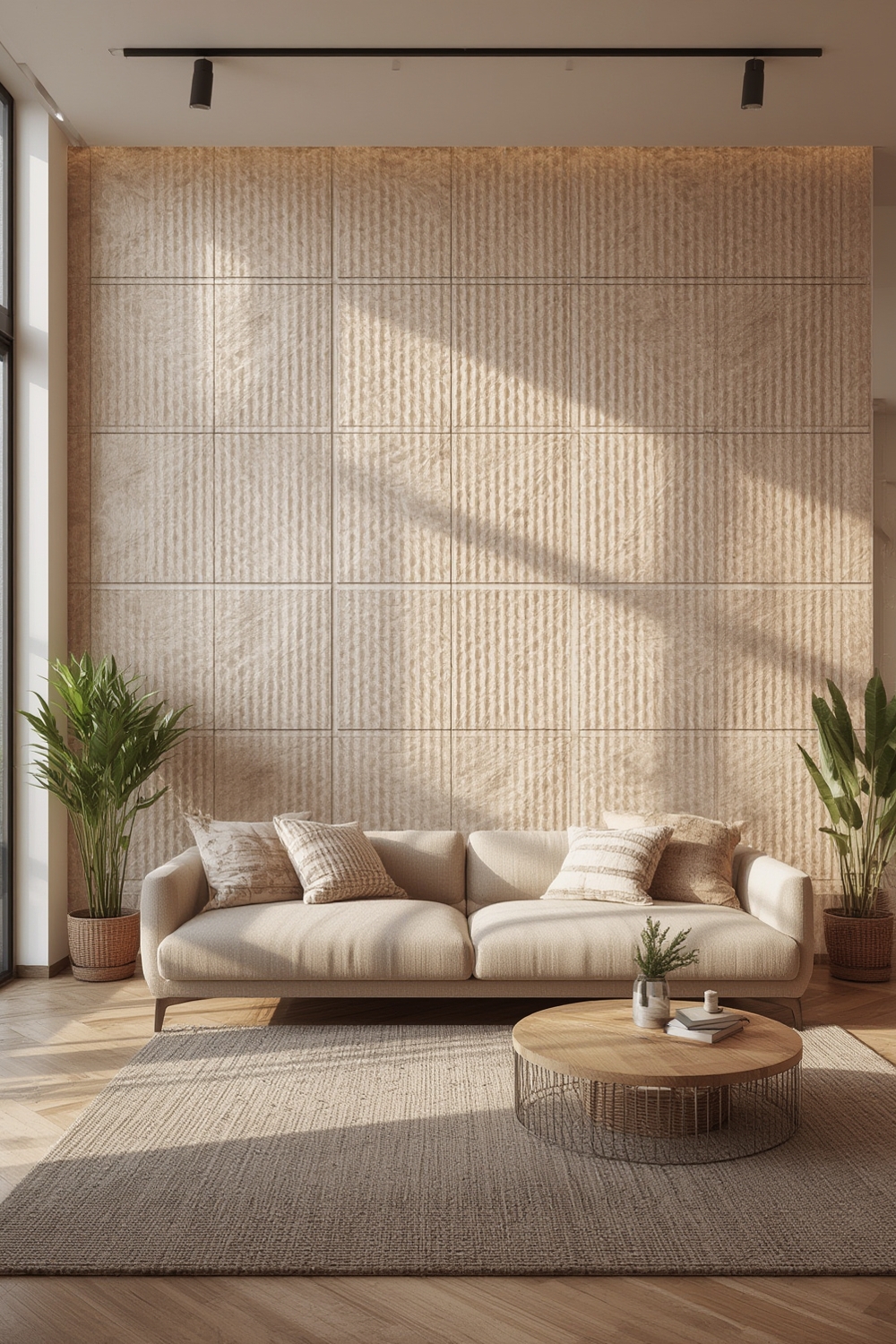
The rise of remote work and personalization post-pandemic has fueled investments in home upgrades. North America now holds 40% of the $17.5 billion wall paneling market, and DIYers are gravitating toward MDF panels for affordability, ease, and versatility [source]. Knockdown and orange-peel drywall textures still dominate budget-friendly makeovers, while dry-mix powders are popular for their shelf-stability and flexible mixing [source].
If you want a fast, modern update—without waiting for a contractor—this project delivers.
Step-by-Step Guide: Installing Your Own DIY Textured Wall Panels
Here’s how to plan and install DIY textured wall panels—from preparation to finishing touches.
- Choose your panel style and finish.
- MDF panels: Lightweight, affordable, easy to paint or veneer.
- 3D wall panels: Best for dramatic feature walls with geometric or organic relief.
- Textured drywall: Use dry-mix powders (e.g., knockdown, orange-peel) for customizable effects.
- Venetian plaster/wood slat: High-end, hands-on options (require more skill).
- Prepare walls.
- Remove all debris, dust, and existing flaking paint.
- Repair holes or cracks—use spackle. Let dry and sand flush.
- Ensure surface is dry, stable, and smooth for best adhesion.
- For high-humidity areas, prime surfaces first with moisture-resistant primer.
- Measure and cut.
- Measure wall height/width. Mark panel placements lightly with pencil or painter’s tape.
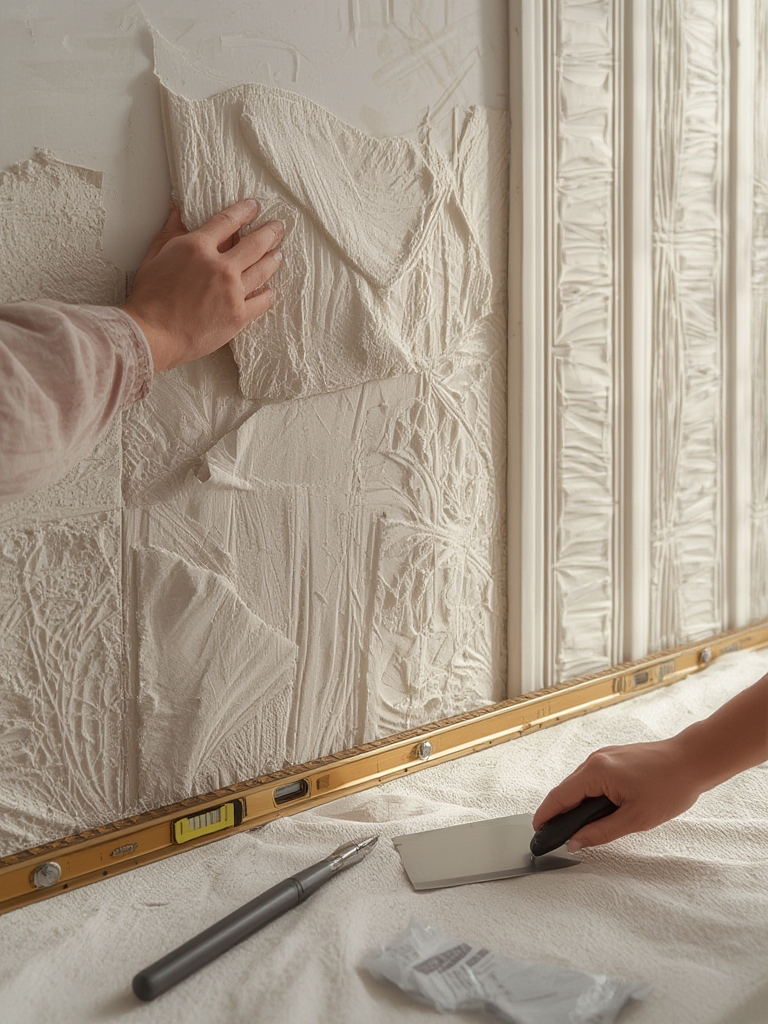
- Use a straightedge and level for precise lines. Cut MDF/slats on a stable surface with a fine-tooth saw.
- Pre-fit panels before securing.
- Apply adhesive and fix panels.
- For MDF or 3D panels: Use a high-strength, low-VOC construction adhesive.
- Apply in vertical strips or dots—avoid edges to prevent seep-out.
- Press each panel firmly into place. Stagger joints for seamless looks.
- Support heavy panels with finishing nails until adhesive is cured.
- Finish seams and edges.
- Caulk visible seams with paintable acrylic caulk; smooth with damp finger.
- For Venetian plaster: Blend edges with a flexible trowel in thin, overlapping layers. Polish after drying for a true marble look.
- Paint, stain, or seal.
- Once adhesive and caulk are fully cured (check manufacturer instructions), paint, seal, or stain your panels. Use low-VOC finishes for indoor air quality.
- Use a mini-roller or HVLP sprayer for even coats on textured surfaces.
- Maintain and enjoy.
- Dust regularly. Touch up paint/sealant every 1-2 years for high-traffic areas.
Time & Cost Estimates (2024):
- MDF/3D Panels: $4–$12 per square foot in materials (higher for 3D or routed options). Adhesive and tools add about $1–$2/sq. ft. Average weekend project.
- Venetian Plaster: $7–$16 per square foot for compound plus trowel costs; steep learning curve—allow extra time for practice panels.
- Wood Slat Walls: $6–$15 per square foot (slats, adhesive, stain/sealant); plan for a day or two, more for large rooms.
Be conscious of price fluctuations, especially for drywall or gypsum-based products, due to market volatility [see latest data].
For more DIY project inspiration, check out our easy DIY home projects guide and our Home Depot DIY guide.
Advanced Analysis & Common Pitfalls: What To Watch Out For
While DIY textured wall panels are approachable, the most common pitfalls include poor adhesion, visible seams, durability problems, and time or cost underestimation.
For advanced or feature walls, especially with Venetian plaster, wood slat, or 3D patterns, issues escalate if surface prep is rushed or products are misapplied. Improper surface cleaning, skipping priming, bad adhesive choices, or ignoring expansion gaps (on wood/MDF) can cause panel failure or ugly warping.
| Finish Type | Ease of DIY Installation | Long-Term Maintenance | Typical Problems | 2024 Market Trend |
|---|---|---|---|---|
| Knockdown (Drywall) | High (familiar for homeowners) | Moderate | Bad blending, messy edges | 35.16% share, growing [source] |
| Orange-Peel (Drywall) | High (spray-on, quick) | Low | Uneven spray, build-up, difficult patching | Popular for multi-family rentals |
| Popcorn Texture | Moderate | Low (hard to clean, dated, can contain asbestos in old homes) | Removal headaches | Declining trend |
| Dry-Mix Powders | High (mix only what you need) | Moderate (long shelf life) | Lumpy results if under-mixed, risk of improper adhesion if mixed too thin | 44.28% market share, rising |
| MDF/3D Wall Panels | High (pre-cut, lightweight, versatile) | High (resistant to warping) | Poor cuts, visible seams, adhesive squeeze-out, humidity swelling if edges not sealed | Highest CAGR [source] |
| Venetian Plaster | Low-Moderate (needs skill, trowel work) | High if done well; Low if not sealed | Dragging, color streaks, delamination, requires practice panels first | Niche, high-end trend |
| Wood Slat Wall | Moderate (needs accurate cuts, nailing, finishing) | Moderate-High (dusting, sealing, may swell in humidity) | Alignment issues, inconsistent gaps, loose slats if not secured | Rising for home office/acoustic features [learn more] |
Safety & Durability Guidelines:
- Always use low-VOC, antimicrobial compound products indoors for healthier air quality. Panels should be certified for interior use where possible.
- Prime and fully dry all walls before adhesive application.
- Follow manufacturer curing and weathering instructions; never rush drying time.
- Wear protective gloves, goggles, and a dust mask when cutting MDF or sanding dry powders/plaster.
- Confirm wall substrate is stable—loose drywall or old paint can sabotage projects.
For extended longevity and fewer headaches, consider how the finish will age and be cleaned. Some, like knockdown, resist scuffing better than popcorn or orange-peel. MDF and slatted wood need careful sealing on all exposed edges, especially near bathrooms or kitchens.
For a broader look at maintenance strategies and insurance for DIY upgrades, see our ultimate home maintenance guide.
Conclusion: Should You Try DIY Textured Wall Panels?
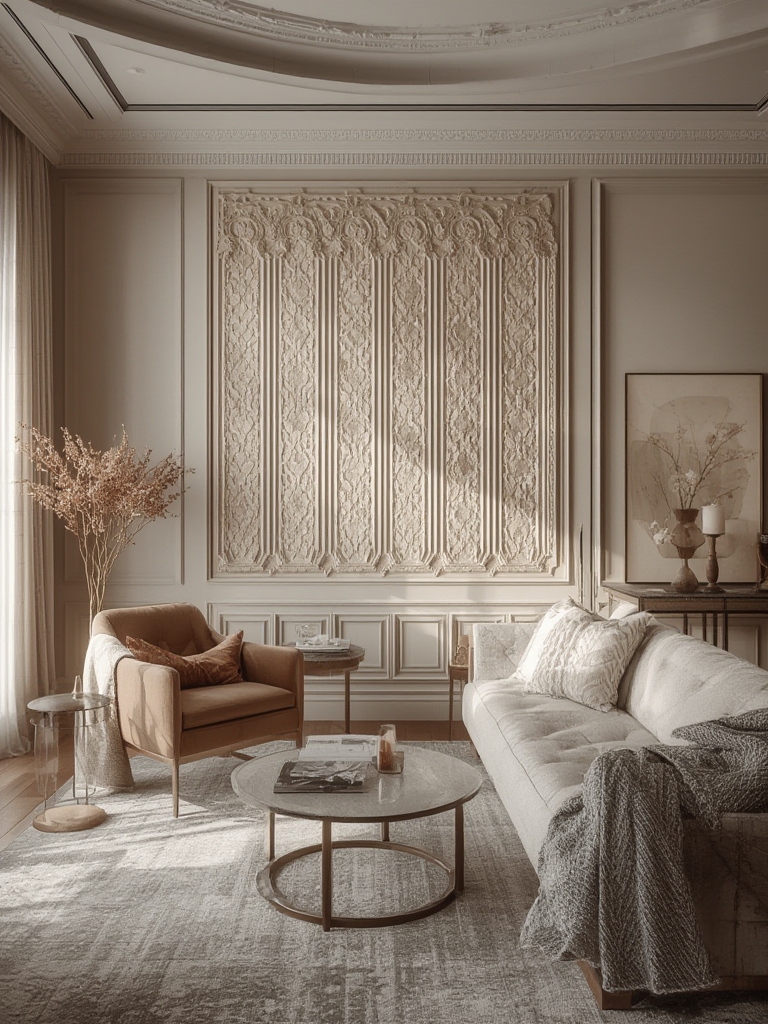
With the right planning, patience, and materials, most homeowners can achieve high-impact results with DIY textured wall panels. For the best value and least stress, stick with MDF or simple 3D panels and always take time on prep. If you’re feeling ambitious, Venetian plaster or custom wood slat designs offer big rewards, but come with a learning curve.
Ready to give your walls a dramatic, custom look? Start with proven steps above, and don’t forget regular care for lasting beauty. Explore more home upgrade ideas in our home upgrades guide and for professional help or costs, see home renovation contractors overview.
DIY innovation keeps growing, and with DIY textured wall panels you can bring trending design to life—one wall at a time.
Frequently Asked Questions (FAQ)
Do I need special tools for installing DIY textured wall panels?
Not usually. Most panels require just a caulking gun, adhesive, level, saw (for MDF or wood), utility knife, and painter’s tape. Venetian plaster projects need a flexible trowel and polishing sponge.
How long do DIY textured wall panels last?
High-quality MDF and 3D panels, if properly installed and sealed, can last 10–20 years. Dry-mix powder finishes are more susceptible to damage but are easy to touch up. Regular dusting and occasional paint touch-ups will extend life.
Which wall finish is best for beginners?
MDF or pre-made 3D wall panels are best for DIY beginners. They’re lightweight, easy to cut, and forgiving. Stick to knockdown or orange-peel for the simplest drywall texture. Venetian plaster and wood slat walls are more advanced and less forgiving of mistakes.
Are textured wall panels safe for homes with allergies?
Yes, if you use low-VOC finishes and ensure the panels are kept dust-free. Modern textured materials often include antimicrobial additives and are hypoallergenic if maintained properly.
Can textured wall panels be painted or stained in any color?
Absolutely. MDF, 3D, and wood slat panels are all customizable. Use a high-quality primer and the paint or stain of your choice. Always seal wood edges to prevent moisture issues.