

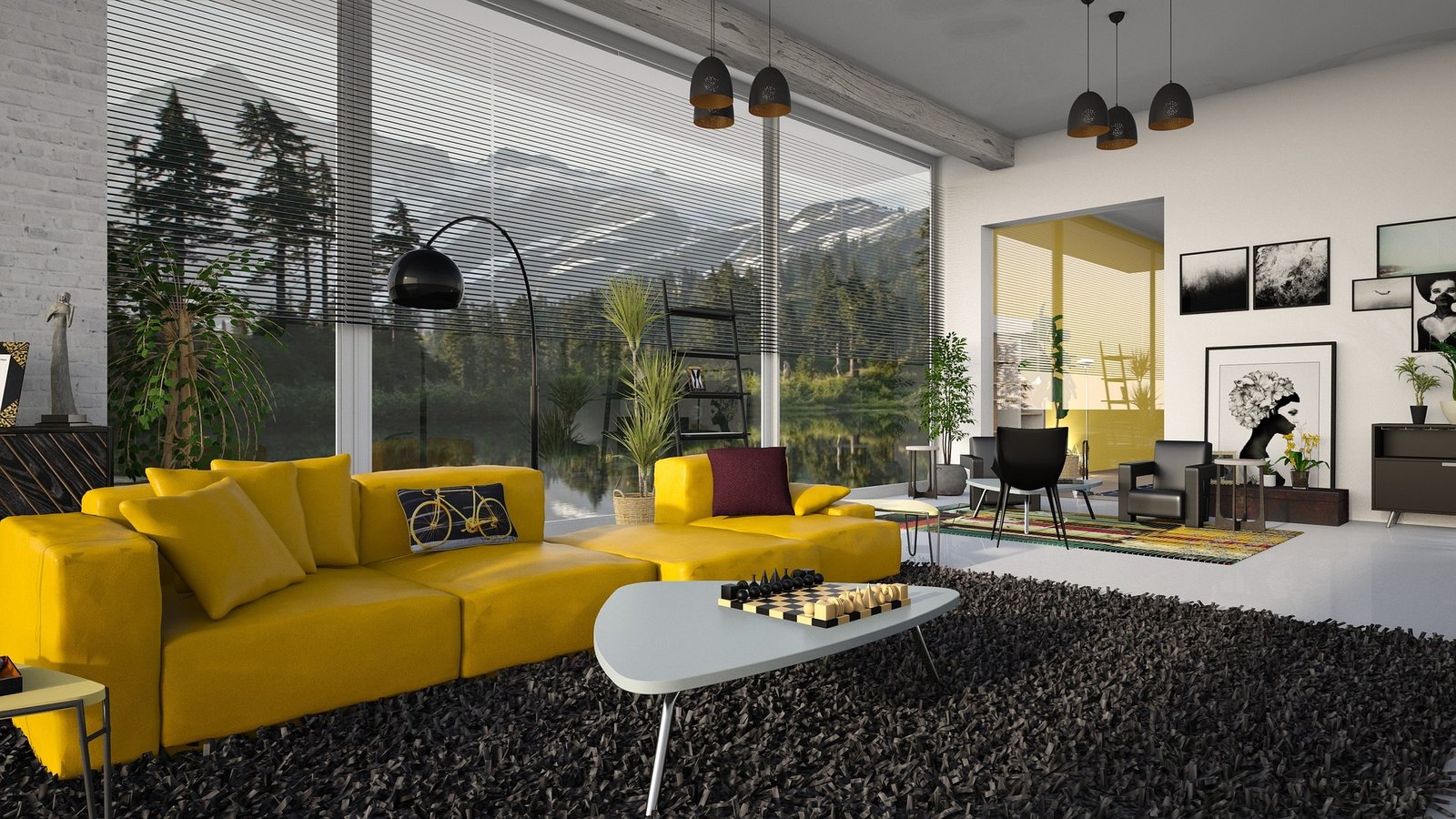
Thinking about making your home more comfortable, valuable, and efficient? Investing in the right home upgrades can transform your living space while increasing overall property value. From modern amenities to essential maintenance, strategic improvements deliver big returns in everyday comfort and energy savings. Let’s explore the smartest ways to upgrade your home for long-term benefits.
Essential Interior Upgrades for Comfort
Elevating comfort within the home often begins with choosing impactful interior upgrades that enhance everyday living while also contributing to long-term enjoyment. Investing in modern HVAC system improvements is among the most effective ways to maintain a consistent, comfortable indoor environment year-round. Upgrading to a high-efficiency heating and cooling system not only improves temperature control but also reduces allergens and energy costs. Consider options like programmable thermostats and zoned climate control for customized comfort in different areas of your home.
Soundproofing is another upgrade that can dramatically affect daily relaxation, especially in busy neighborhoods or multi-story homes. Quality insulation in walls, ceilings, and floors, along with features like acoustic panels or soundproof windows, can create peaceful, private retreats and minimize disturbances. For those with home offices or young children, prioritizing sound control is especially valuable.
Bathrooms and kitchens are at the heart of well-being and daily routines. Upgrading to luxury features—such as rainfall showers, heated floors, deep soaking tubs, or touchless faucets—enhances spa-like experiences and improves functionality. In the kitchen, consider installing high-end appliances, ergonomic cabinetry, or durable quartz countertops to maximize convenience and aesthetic appeal. Tailor choices to your lifestyle, focusing on features that will genuinely be used and enjoyed.
Basement waterproofing may not offer visible appeal but plays a crucial role in comfort and peace of mind. Protecting lower levels from moisture intrusion helps ensure a dry, usable space—whether for storage, a recreation room, or a guest suite—and improves indoor air quality by preventing mold growth.
When selecting interior upgrades, assess your household’s unique needs and daily habits. Opt for projects that not only address current pain points but anticipate future requirements, delivering lasting comfort and enhancing the way you live in your home.
Maintenance and Repair Improvements
Regular maintenance and timely repairs are the unsung heroes of homeownership, quietly safeguarding your investment and setting the stage for successful future upgrades. While dramatic renovations often steal the spotlight, fundamental projects like roof replacement, window upgrades, exterior repainting, and updates to plumbing and electrical systems are just as vital for a comfortable, reliable living environment.
A neglected roof, for example, can lead to leaks and costly water damage that threatens the integrity of your home’s structure and its contents. Upgrading aging windows not only boosts curb appeal but also improves insulation, leading to lower energy bills and a quieter indoor environment. Similarly, a fresh coat of paint protects wood and siding from weather-related wear, preventing rot and extending the life of your home’s exterior surfaces. Plumbing and electrical updates are equally imperative; outdated pipes or wiring can cause major disruptions, safety hazards, and even insurance issues.
Prioritizing these maintenance projects helps avoid expensive emergency repairs, preserves property value, and creates an ideal foundation for more impressive interior and spatial renovations. A well-maintained home is not only more enjoyable to live in, but also commands higher resale prices and passes inspections with ease. Consider creating a maintenance calendar that breaks down tasks by season—such as checking your roof every spring, scheduling annual HVAC system inspections, or repainting exteriors every five to seven years.
Focus on addressing problems as soon as they arise, but also plan proactive upgrades for systems approaching the end of their recommended lifespan. By budgeting for maintenance alongside major renovations and smart additions, you ensure your improvements make a lasting impact, supporting both immediate comfort and long-term value for years to come.
Maximizing Space with Smart Additions
For homeowners seeking to not only maintain but actively enhance their space, maximizing unused or underutilized areas is a powerful approach. Converting basements, attics, or garages into functioning rooms, or constructing targeted room extensions, can transform a home’s potential while directly increasing its value and everyday comfort. Such “add-ons” serve a multitude of purposes—including much-needed home offices for remote workers, welcoming guest suites for visitors, or dedicated recreational zones for hobbies and entertainment.
Basement conversions are especially popular in homes where finished basements can provide substantial living or entertaining space. Proper waterproofing and egress are essential, as is the consideration of local building codes before beginning any remodel. Attic transformations also present an excellent opportunity, especially in homes with a steep roof pitch and ample headroom, ideal for creating quiet retreats or compact bedrooms. For garage conversions, insulation and HVAC integration are paramount to seamlessly transition the space into a year-round living area.
Building expansions such as bump-outs or full room additions allow homeowners to tailor their living environment—perhaps a sunroom opening to the backyard, a supplemental bedroom for a growing family, or even a spacious new kitchen. Such renovations require assessing structural feasibility and foundation support, as well as ensuring architectural cohesion with the existing structure.
When evaluating these projects, homeowners should consider factors such as existing infrastructure, zoning regulations, required permits, and realistic budgeting for both construction and finishing costs. Though often more complex than straightforward repairs or maintenance, smart additions can dramatically expand daily functionality and increase resale appeal. By making thoughtful choices regarding space allocation and design, homeowners can meet evolving needs while positioning their property for long-term appreciation and energy-saving opportunities in the future.
Energy Efficiency Upgrades for Savings
Energy efficiency upgrades are a compelling way to elevate both comfort and cost savings while enhancing the appeal of your property. The foundation of energy savings starts with robust thermal insulation in attics, walls, and floors, which helps maintain consistent indoor temperatures and reduces reliance on heating and cooling systems. When insulation is paired with energy-efficient windows, households can dramatically curb heat loss in winter and prevent heat gain in summer. Double or triple-pane windows with low-emissivity (Low-E) coatings are particularly effective, preventing drafts and outside noise while lowering energy expenditures.
Upgrading traditional lighting to LED bulbs offers another impactful way to save on electricity. LED lighting consumes a fraction of the power required by incandescent lamps, produces less heat, and boasts a much longer lifespan, reducing both utility bills and replacement hassles.
Smart climate control, like programmable or smart thermostats, allows homeowners to customize temperature settings for different times of day and occupancy patterns. These thermostats optimize HVAC usage—maintaining comfort without unnecessary energy waste. Over time, this translates to substantial cost savings, especially when combined with efficient heating and cooling systems.
For those looking to minimize environmental impact and lock in further savings, installing renewable energy sources such as solar panels is an excellent investment. Solar photovoltaic systems can power the home directly, reduce dependence on the grid, and may even generate surplus energy for resale. Additionally, many municipalities, states, and federal programs offer incentives, rebates, or tax credits to help offset installation costs, making these upgrades more accessible.
Together, these energy-saving upgrades not only reduce monthly utility bills and carbon footprints but also increase a home’s marketability. Eco-conscious buyers are often willing to pay a premium for efficient, sustainably-upgraded properties, making these investments beneficial for both your finances and the planet.
Enhancing Safety, Security, and Privacy
Beyond energy efficiency, safety, security, and privacy upgrades are among the most critical investments a homeowner can make to protect both property and loved ones. Modern fire alarms and carbon monoxide detectors, with interconnected systems and smart capabilities, provide early detection and can alert first responders even when no one is home, offering an indispensable layer of protection. When it comes to safeguarding against intrusions, today’s security systems go well beyond basic alarms. Comprehensive packages may include surveillance cameras with cloud storage, motion sensors, smart locks with remote control access, and doorbell cameras that allow for real-time monitoring and communication. Integrating these systems often lowers insurance premiums and delivers peace of mind, especially when you’re away or during emergencies.
Storm shelters or reinforced safe rooms are significant upgrades in areas prone to severe weather, such as tornadoes or hurricanes. These structures are engineered to withstand extreme forces, providing a secure refuge and increasing a home’s resilience and value in vulnerable regions. In addition, installing secure, tamper-resistant locks and deadbolts for all external doors, as well as reinforced doors and window locks, enhances protection against unauthorized entry.
Privacy enhancements also play an essential role in home comfort. Fencing, tall shrubs, and hedges act as both physical and visual barriers, keeping prying eyes out while defining property boundaries. Indoors, window treatments like blackout curtains, blinds, or privacy films protect against unwanted views and can reduce glare. Smart window coverings can be automated for added convenience and discretion.
Taken together, these upgrades not only increase a property’s security and privacy but also foster a sense of tranquility and readiness. By prioritizing these features, homeowners create an environment where safety and discretion are seamlessly built into daily living.
Conclusions
Investing in the right home upgrades delivers long-lasting benefits for comfort, safety, efficiency, and property value. Whether you focus on interior enhancements, essential repairs, added space, energy-saving updates, or improved security, each upgrade plays a vital role. By prioritizing strategic renovations, you can enjoy a better living environment and maximize your home’s potential.